NOW SPINNING — post-punk, new wave & alternative from 1977 to 1995 • Request line open 24/7 • Tune in: 102.1 the Edge, Toronto • Remember the Spirit of Radio — CFNY 102.1 • Coming up: the Top 100 countdown, the year-end charts and 25 classic videos • NOW SPINNING — post-punk, new wave & alternative from 1977 to 1995 • Request line open 24/7 • Tune in: 102.1 the Edge, Toronto • Remember the Spirit of Radio — CFNY 102.1 • Coming up: the Top 100 countdown, the year-end charts and 25 classic videos •
TORONTO --:--
105.7 · Artists
The 50 artists who rewired rock
The bands that built post-punk, new wave and alternative music — from Manchester and Liverpool to New York, Athens, Georgia and right here in Toronto. Filter by sound, search by name and read every profile.
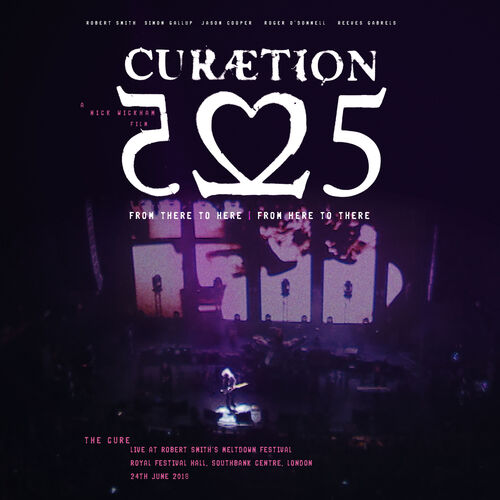
Robert Smith's band moved from the wiry minimalism of Three Imaginary Boys through the bleak gothic trilogy of Seventeen Seconds, Faith and Pornography, then pulled off something few dark bands manage: genuine pop. Songs like Just Like Heaven and Friday I'm in Love sit beside the vast, slow-burning Disintegration, an album many fans rank as the high-water mark of 80s alternative music. Smudged lipstick, teased hair and cathedral-sized guitar washes made The Cure one of the most imitated looks and sounds of the era.
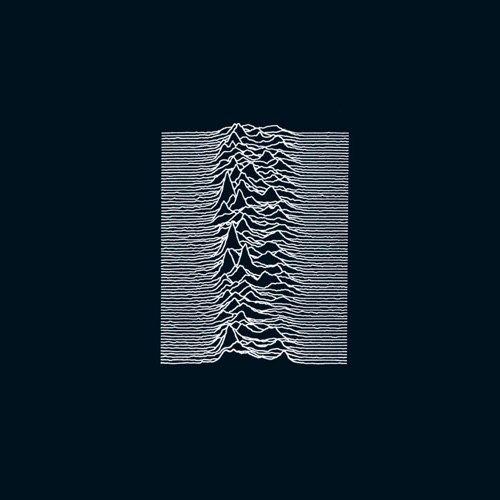
In barely four years Joy Division drew the blueprint for post-punk. Peter Hook's melodic high bass, Stephen Morris's machine-precise drumming and Martin Hannett's cavernous production framed Ian Curtis's haunted baritone. Unknown Pleasures and Closer remain landmark records, and Love Will Tear Us Apart became the genre's defining anthem. Curtis died in May 1980 on the eve of an American tour; the surviving members carried on as New Order.
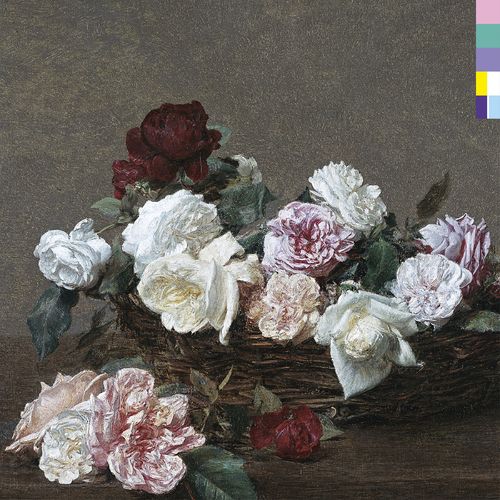
Rising from Joy Division's ashes, New Order fused post-punk guitar with New York club electronics. Blue Monday became the best-selling 12-inch single of all time and redrew the line between rock and dance music. Bernard Sumner's diffident vocals over Peter Hook's lead bass and sequenced synths gave the world Bizarre Love Triangle, True Faith and Regret, and their Factory Records home helped fund Manchester's legendary Haçienda club.
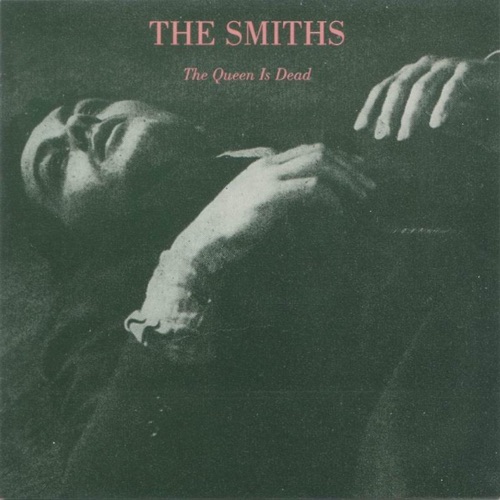
Morrissey's wit and melancholy met Johnny Marr's chiming, layered guitar to create the archetypal indie band. Across just four studio albums, The Smiths rejected synth-pop gloss in favour of jangle, literacy and wry heartbreak. The Queen Is Dead, How Soon Is Now? and There Is a Light That Never Goes Out still define what it means to be a sensitive outsider with a record collection. They split in 1987 and have resisted every reunion offer since.
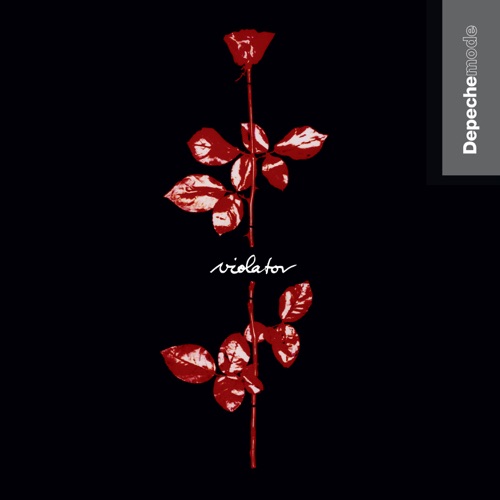
Starting as bright teen synth-pop with Just Can't Get Enough, Depeche Mode grew darker and heavier after Martin Gore took over songwriting. Sampling, industrial textures and Dave Gahan's increasingly commanding voice led to Music for the Masses and the colossal Violator, home of Personal Jesus and Enjoy the Silence. Their 1988 Rose Bowl concert, captured in 101, proved an electronic band could fill stadiums.
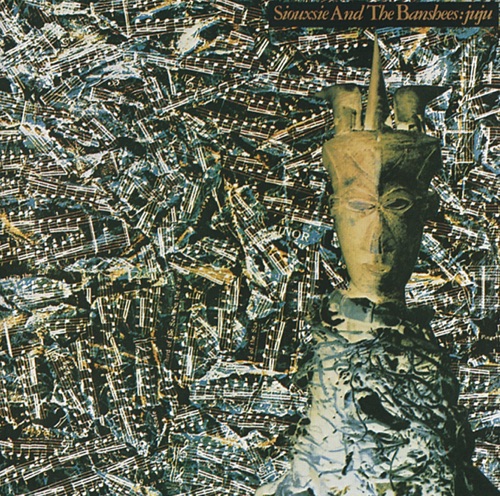
Emerging from the Sex Pistols' Bromley contingent, Siouxsie Sioux became one of rock's most striking frontwomen. The Banshees pushed punk into angular, psychedelic and tribal territory, with John McGeoch's inventive guitar on Juju and Kaleidoscope setting a standard for the gothic and post-punk scenes. Hong Kong Garden, Spellbound and Kiss Them for Me show a band that never stood still.
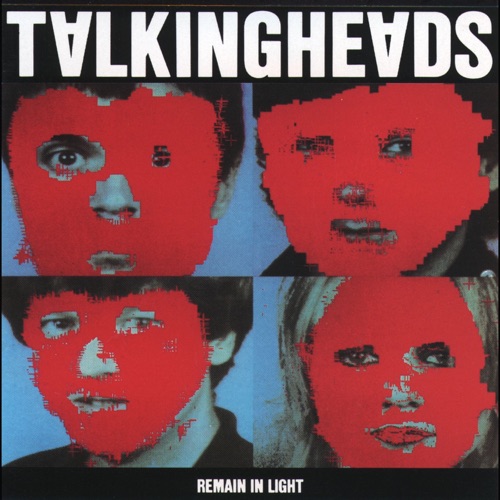
Art-school graduates who came up at CBGB, Talking Heads mixed nervy punk minimalism with funk, Afrobeat and Brian Eno's studio experiments. David Byrne's twitchy persona and big suit became icons, Remain in Light remains a polyrhythmic masterpiece, and the Jonathan Demme concert film Stop Making Sense is widely called the greatest rock movie ever made.
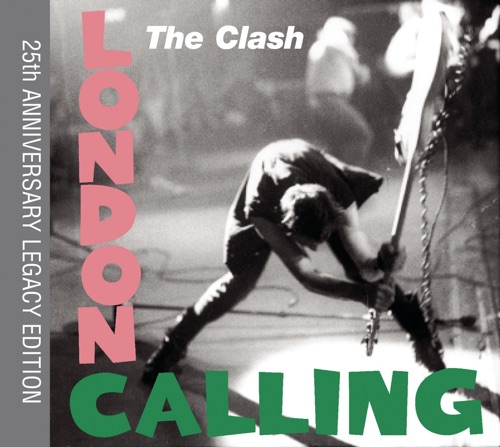
The only band that matters, as their label put it, The Clash took punk's fury and widened its palette with reggae, rockabilly, dub and funk. London Calling, a sprawling double album from 1979, is routinely named among rock's greatest records. Joe Strummer's politics and Mick Jones's melodic instincts made them the bridge between 1977 and everything that came after.
Post-Punk / Neo-PsychedeliaSince 1978Liverpool, England
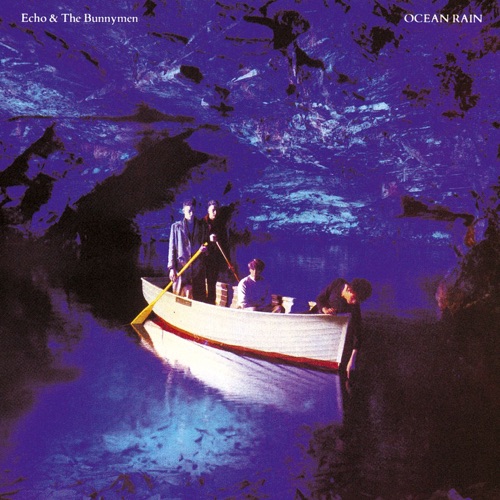
Ian McCulloch's brooding croon and Will Sergeant's shimmering guitar gave the Bunnymen a romantic, psychedelic edge among their post-punk peers. Ocean Rain, recorded partly with a 35-piece orchestra in Paris, contains The Killing Moon, which the band once modestly called the greatest song ever written. Its 2001 appearance in Donnie Darko introduced it to a whole new generation.
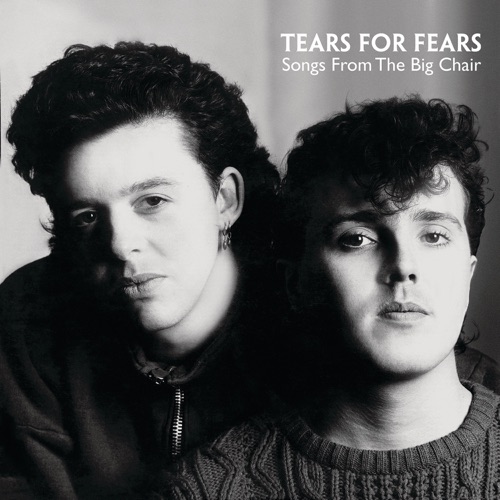
Roland Orzabal and Curt Smith took ideas from primal therapy and turned them into some of the 80s' biggest hits. The Hurting was intense and introspective, while Songs from the Big Chair delivered Shout, Head Over Heels and Everybody Wants to Rule the World. Their brooding debut single Mad World became a hit all over again in 2003 through Gary Jules's piano cover.
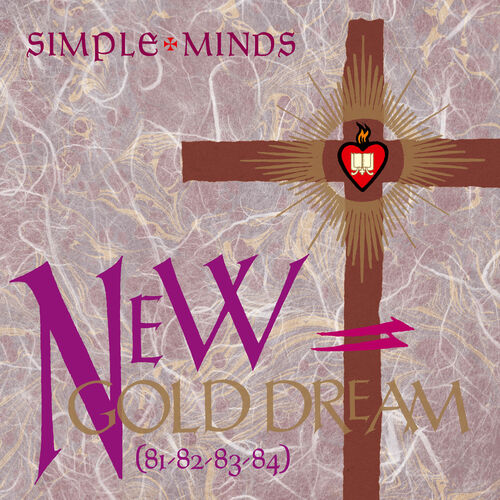
Simple Minds began as a sleek, European-influenced art-rock band and grew into stadium headliners. New Gold Dream is a lush electronic dream of an album, and Don't You (Forget About Me) from The Breakfast Club made them superstars in North America. Jim Kerr's sweeping vocals and the band's atmospheric keyboards influenced countless alternative acts.
New Romantic / New WaveSince 1978Birmingham, England
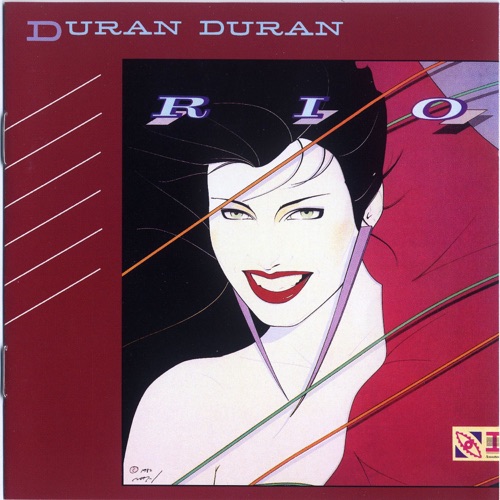
Duran Duran married glam, disco and synth-pop with an unbeatable visual sense. Their exotic, cinematic videos, shot in Sri Lanka and Antigua, were made for the young MTV, and Rio, Hungry Like the Wolf and Girls on Film turned them into the defining band of the New Romantic movement. Nick Rhodes's keyboards and John Taylor's funk bass gave the glossy surfaces real musical depth.
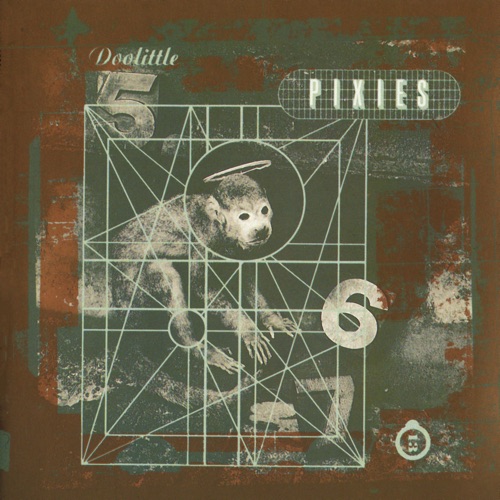
Pixies perfected the loud-quiet-loud dynamic that shaped 90s alternative rock. Black Francis's screams, Kim Deal's sweet harmonies and bass, and Joey Santiago's surf-noise guitar produced Surfer Rosa and Doolittle, two of indie rock's most influential records. Kurt Cobain admitted Smells Like Teen Spirit was his attempt to rip off the Pixies, and Where Is My Mind? became immortal after Fight Club.
College Rock / AlternativeSince 1980Athens, Georgia, USA
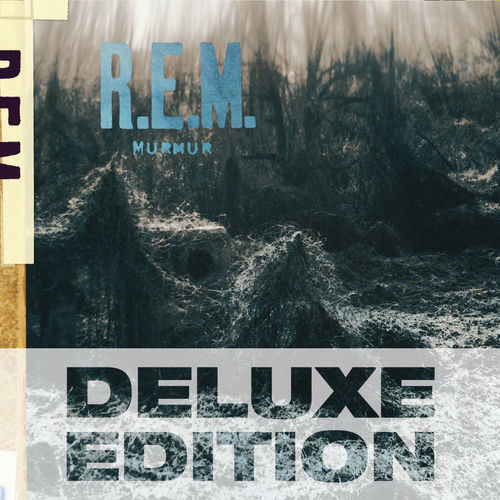
R.E.M. built American alternative rock from the ground up through college radio and relentless touring. Peter Buck's arpeggiated Rickenbacker and Michael Stipe's cryptic, mumbled lyrics on Murmur created a mysterious Southern gothic sound. They broke through with The One I Love and then went global with Out of Time and Losing My Religion, proving indie integrity and mass success could coexist.
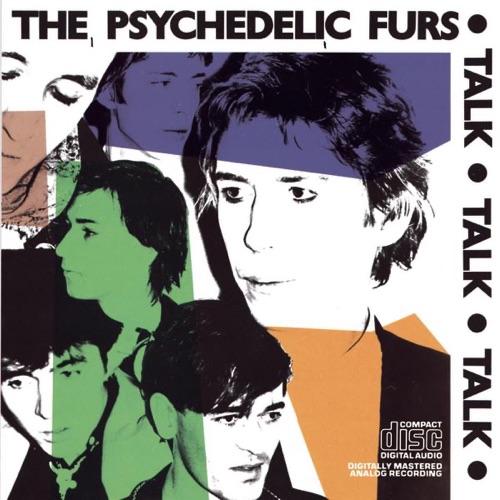
Richard Butler's raspy, smoky vocals and a wall of saxophone and guitar set the Furs apart. Their early records were dense and abrasive, but Talk Talk Talk delivered Pretty in Pink, which inspired the John Hughes film of the same name. Love My Way, produced by Todd Rundgren, became a dancefloor staple on alternative radio for decades.
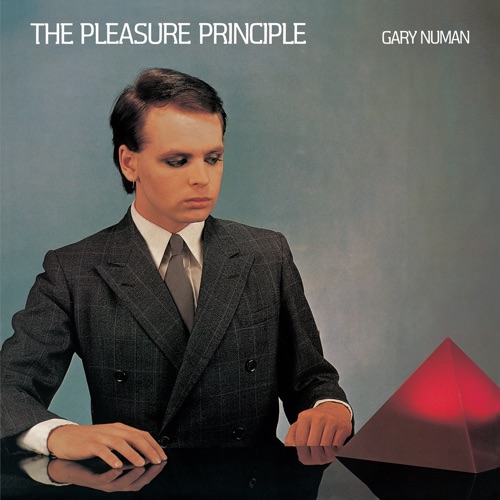
Gary Numan took synthesizers from the art-rock fringe into the charts. First with Tubeway Army's Are 'Friends' Electric? and then with Cars, his cold, android persona and Minimoog-heavy sound were a shock to the system in 1979. Dismissed by critics at the time, he has since been credited as a pioneer by everyone from Nine Inch Nails to the Foo Fighters.
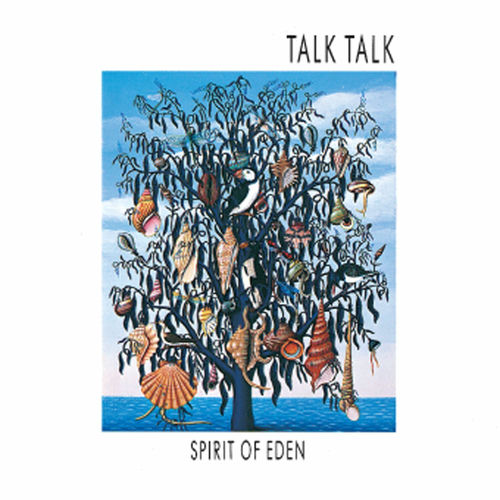
Talk Talk began as a stylish synth-pop act with It's My Life and Such a Shame, then transformed into something entirely new. Mark Hollis and producer Tim Friese-Greene spent months improvising in darkened studios to create Spirit of Eden and Laughing Stock, quiet, spacious records now seen as the birth of post-rock. Few bands have travelled so far from where they started.
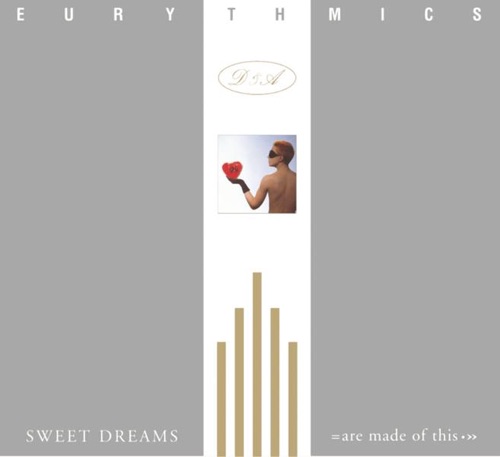
Annie Lennox and Dave Stewart built Sweet Dreams in a tiny loft studio with a cheap drum machine and changed pop music. Lennox's cropped orange hair, men's suit and powerhouse voice made her one of the decade's most iconic performers, while Stewart's production mixed cold synths with soul. Here Comes the Rain Again and Would I Lie to You? kept the hits coming.
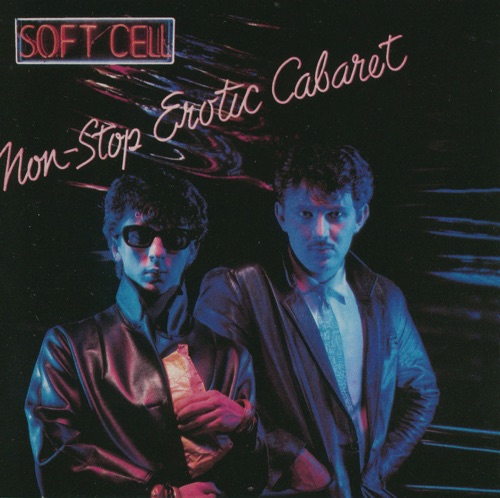
A two-piece of Marc Almond and Dave Ball, Soft Cell turned an obscure northern soul track into Tainted Love, a worldwide smash that set a then-record for consecutive weeks on the US Billboard Hot 100. Non-Stop Erotic Cabaret was a sleazy, glittering portrait of nightlife, and songs like Say Hello, Wave Goodbye showed a deeply theatrical, emotional side.
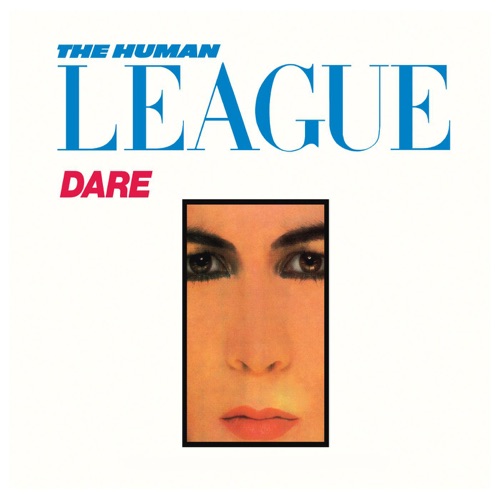
After a split left Phil Oakey without most of his band, he recruited two teenagers from a Sheffield nightclub and made one of the greatest pop albums ever. Dare, produced by Martin Rushent, was entirely electronic and wildly catchy; Don't You Want Me topped the charts on both sides of the Atlantic and helped open America to the Second British Invasion.
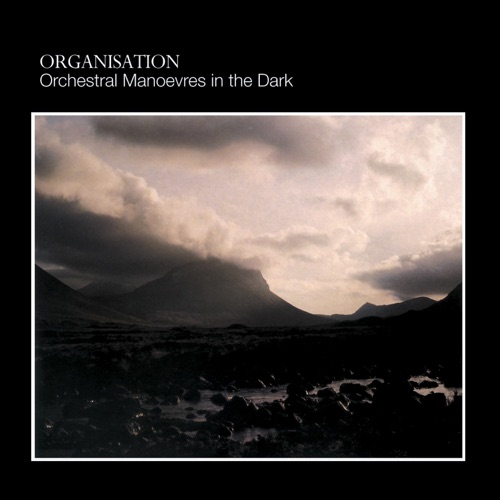
Andy McCluskey and Paul Humphreys proved that electronic music could be melodic, melancholy and adventurous. Enola Gay, from Organisation, disguised a song about the Hiroshima bomb as a joyful pop hit, and 1981's Architecture & Morality layered choirs and Mellotron into something almost spiritual. In North America they found new fans with If You Leave from Pretty in Pink.
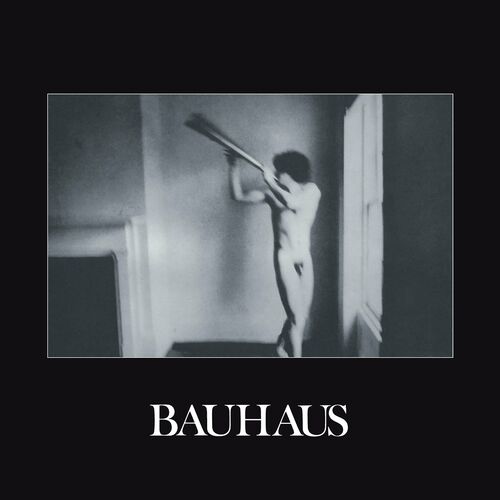
Bauhaus's debut single, the nine-minute Bela Lugosi's Dead, is often called the first gothic rock record. Peter Murphy's theatrical, vampiric presence, Daniel Ash's scratchy guitar and David J's dub-influenced bass created a sound that was both menacing and danceable. After the split, members formed Love and Rockets and Tones on Tail while Murphy went solo.
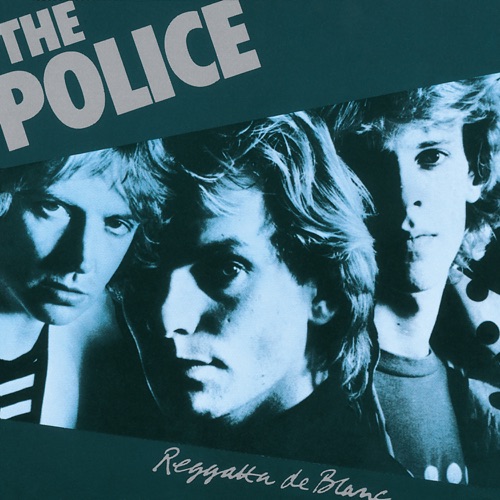
Sting, Andy Summers and Stewart Copeland rode the punk wave but brought serious musicianship, fusing reggae rhythms with spare, ringing guitar. Roxanne, Message in a Bottle and Every Breath You Take made them the biggest band in the world by 1983. Copeland's busy, inventive drumming remains a touchstone for players everywhere.
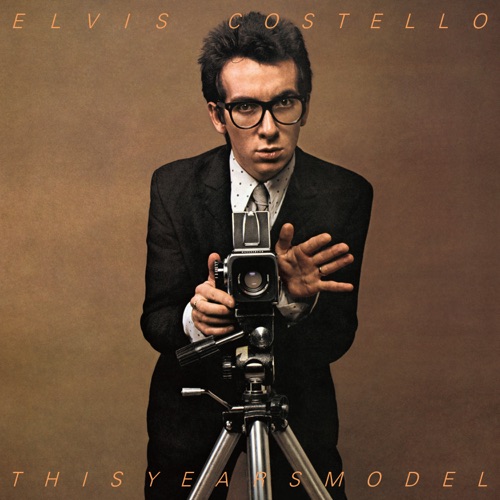
With his thick glasses and venomous wordplay, Elvis Costello was punk's most literate songwriter. Backed by the Attractions, This Year's Model and Armed Forces delivered Pump It Up, Radio Radio and Oliver's Army. Over the decades he wandered through country, soul, classical and jazz, but those early records remain new wave's sharpest.
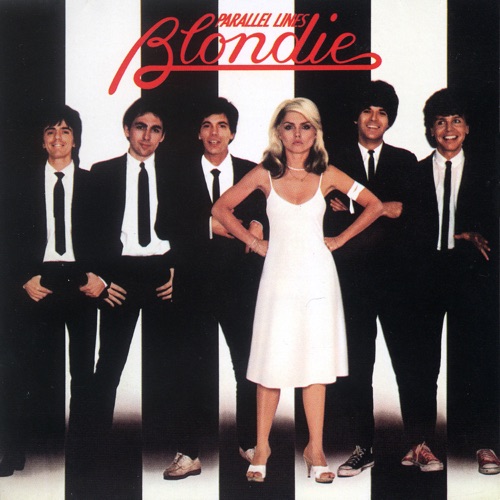
Born in the CBGB scene, Blondie fearlessly crossed genres, from punk to disco on Heart of Glass, to reggae on The Tide Is High, to early hip-hop on Rapture. Debbie Harry's cool glamour made her a style icon and Parallel Lines became one of new wave's biggest-selling albums, bringing downtown New York to the mainstream.
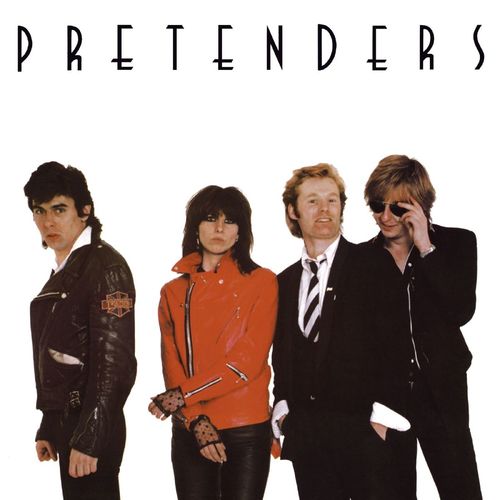
Ohio-born Chrissie Hynde moved to London, worked at the NME and formed one of the tightest bands of the era. Their debut album, with Brass in Pocket, Kid and Stop Your Sobbing, mixed punk attitude with classic rock-and-roll craft. Despite losing two members to drugs within two years, Hynde has kept the Pretenders running ever since.
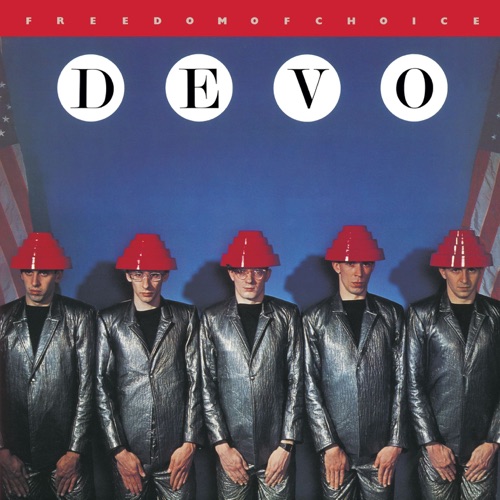
Devo's theory of de-evolution argued humanity was regressing, and they dressed the part with energy-dome hats and matching jumpsuits. Their jerky, robotic rock, first produced by Brian Eno, peaked commercially with Whip It in 1980. Their satire of conformity and corporate culture, and their early embrace of music video, look more prophetic every year.
New Wave / Dance RockSince 1976Athens, Georgia, USA
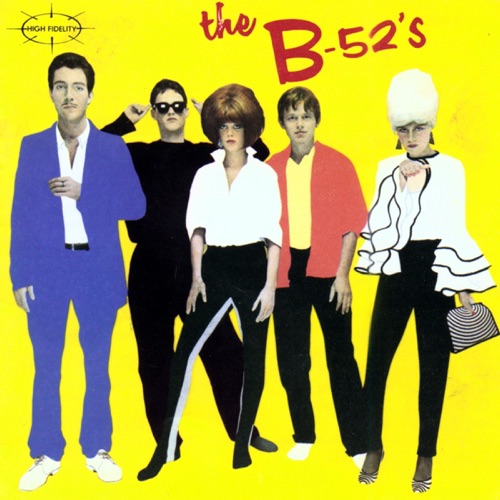
Beehive hairdos, thrift-store kitsch and surf guitar defined The B-52's, the Athens party band that predated R.E.M. Rock Lobster was a riotous calling card, and John Lennon said hearing it helped inspire his return to recording. Love Shack and Roam later brought them a huge second wave of success in 1989.
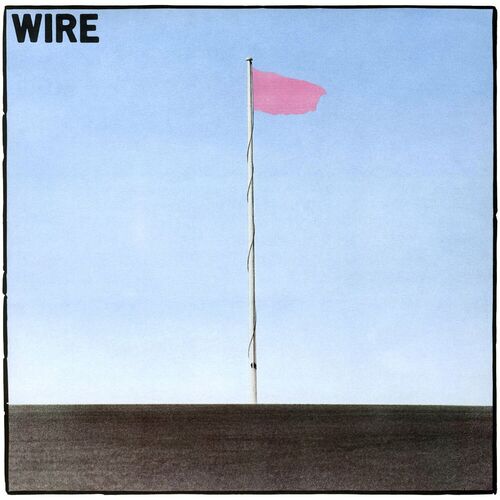
Wire's debut Pink Flag crammed 21 songs into 35 minutes, distilling punk to its essence. With Chairs Missing and 154 they embraced texture, synths and experimentation, essentially inventing much of post-punk as they went. Their influence runs through R.E.M., Elastica, Blur and generations of art-rock bands.
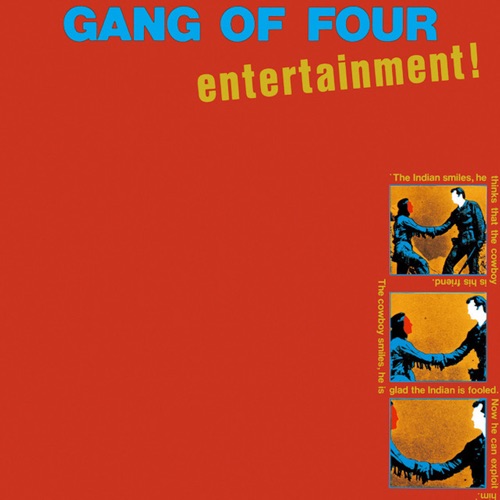
Andy Gill's jagged, slashing guitar and a funk-heavy rhythm section made Gang of Four the most danceable political band ever. Entertainment! dissected consumerism, romance and power over grooves that later inspired Red Hot Chili Peppers, Franz Ferdinand and the dance-punk revival of the 2000s.
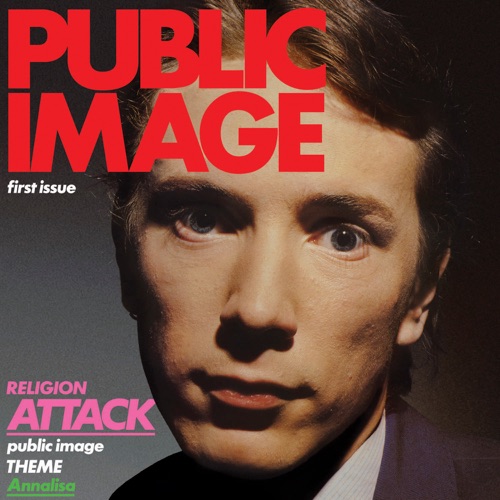
After the Sex Pistols imploded, John Lydon dropped the Rotten surname and formed PiL to tear up rock's rules. Jah Wobble's deep dub bass and Keith Levene's metallic guitar on Metal Box created a forbidding, hypnotic sound, while later hits like This Is Not a Love Song and Rise were sharper and catchier.
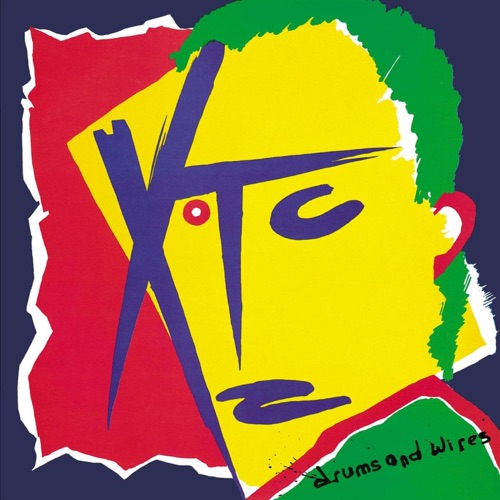
XTC started as twitchy new wave and evolved into one of Britain's finest pop bands. Making Plans for Nigel was their breakthrough, and after Andy Partridge's stage fright ended their touring in 1982 they became a studio-only band, crafting intricate records like English Settlement and Skylarking. Dear God became a college radio sensation in 1986.
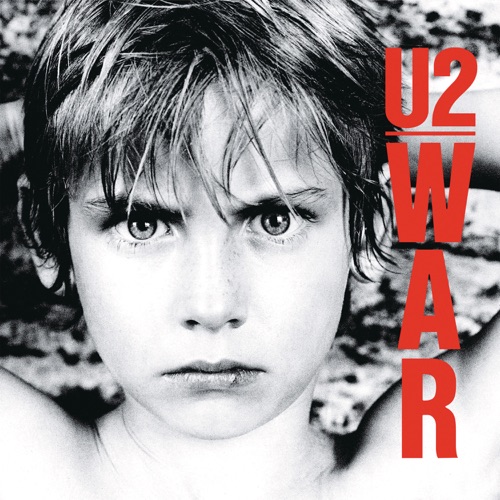
U2 rose from the post-punk scene with Boy and the echoing guitar of The Edge, whose delay-pedal technique became one of rock's signature sounds. War brought political urgency with Sunday Bloody Sunday, and The Joshua Tree in 1987 turned them into the world's biggest band. Their early records remain alternative radio staples.
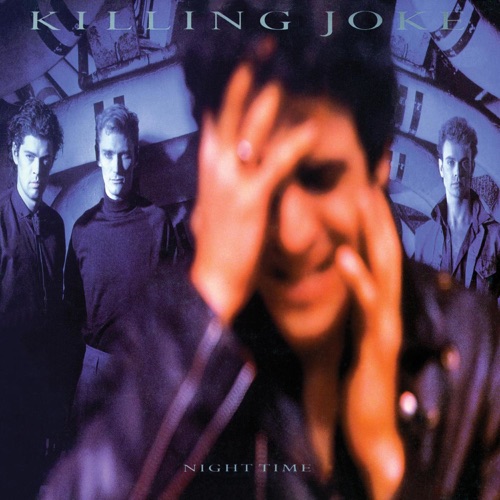
Killing Joke's tribal drums, apocalyptic vision and Geordie Walker's grinding guitar made them one of post-punk's heaviest acts. Their influence on industrial rock and metal is immense, with Metallica, Nine Inch Nails and Nirvana all borrowing from them. Night Time's Love Like Blood and Eighties are essential.
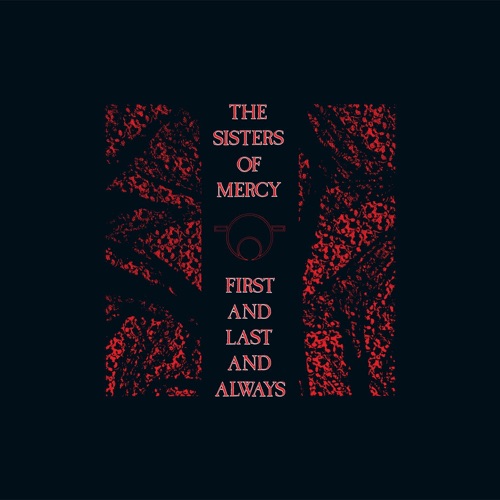
Andrew Eldritch's deep baritone and a drum machine named Doktor Avalanche defined The Sisters of Mercy, who rejected the goth label while becoming its biggest band. Floodland, with Jim Steinman's maximalist production on This Corrosion, is a gothic rock epic. They famously stopped releasing records in the 1990s but continue to tour.
Gothic Rock / Hard RockSince 1983Bradford, England
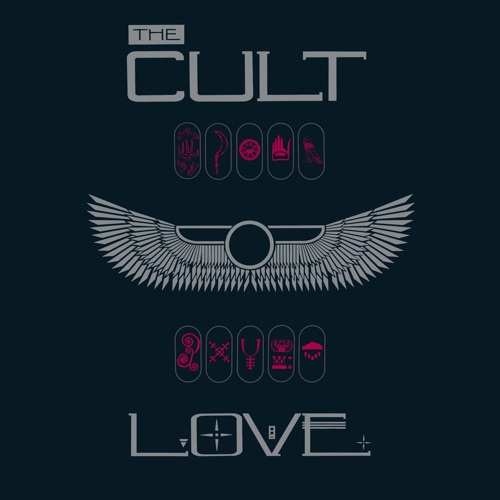
Ian Astbury and Billy Duffy started in the goth scene before shifting toward hard rock. Love, with its psychedelic paisley sound and the towering She Sells Sanctuary, remains their high point. Rick Rubin later stripped them back into the riff-heavy Electric, proving their range.
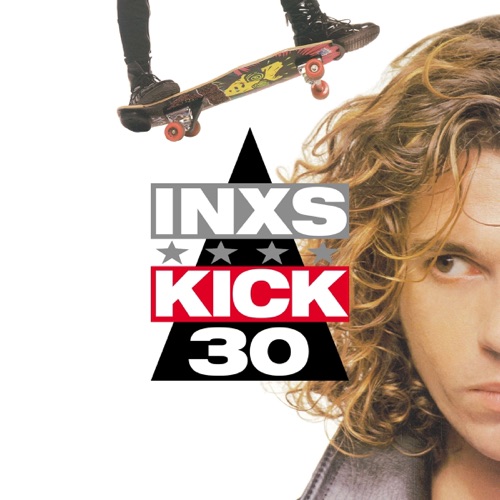
INXS combined rock with funk and dance grooves, fronted by the magnetic Michael Hutchence. Early singles like The One Thing and Original Sin made them alternative radio favourites, and Kick in 1987 turned them into global superstars with Need You Tonight, New Sensation and Never Tear Us Apart.
Led by Ivan Doroschuk, this Montreal band became one of Canada's biggest new wave exports. The Safety Dance, with its medieval-themed video, became a worldwide hit in 1983, and Pop Goes the World followed in 1987. They were a natural fit for CFNY's playlist and remain beloved across Canada.
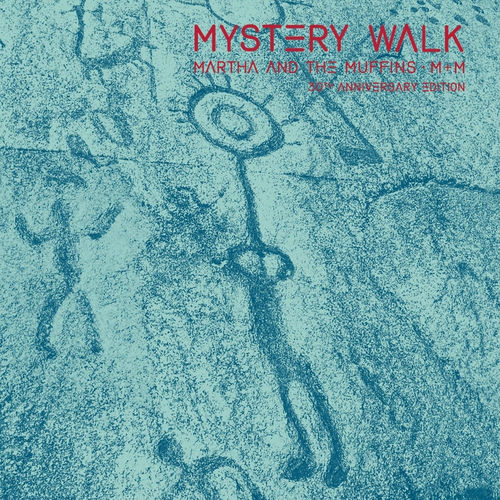
Toronto's Martha and the Muffins scored an international hit with Echo Beach in 1980, a daydreaming office worker's escape song that became an anthem of Canadian new wave and a CFNY signature track. Mark Gane and Martha Johnson later reformed as M + M, scoring again with Black Stations/White Stations.
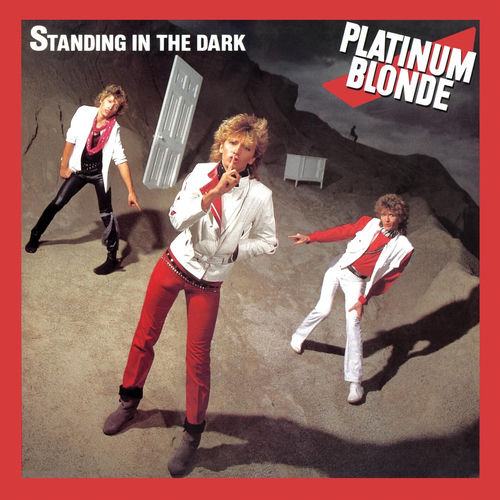
With big hair and bigger hooks, Platinum Blonde were among the most popular Canadian bands of the mid-80s. Alien Shores went multi-platinum in Canada and produced Crying Over You, while Standing in the Dark and Doesn't Really Matter were heavy rotation favourites on Toronto radio and MuchMusic.
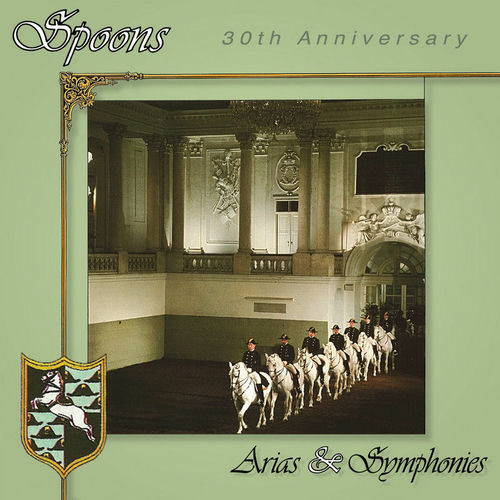
Burlington, Ontario's Spoons crafted elegant, keyboard-driven new wave. Nova Heart, produced by John Punter, became a CFNY classic, and Romantic Traffic from Talkback was a Canadian hit. Their sophisticated sound earned them tours with Culture Club and a spot as one of Toronto radio's defining local acts.
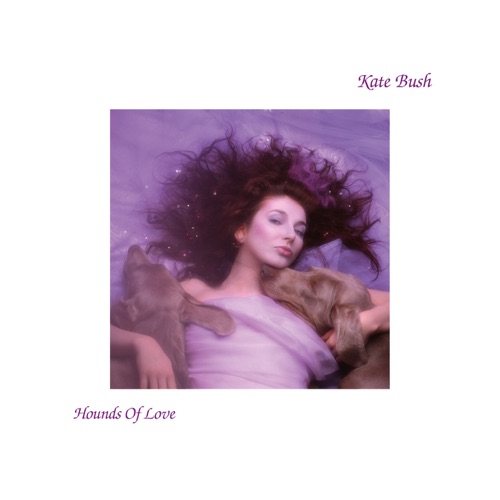
Kate Bush became the first woman to top the UK charts with a self-written song, Wuthering Heights, at 19. Her theatrical, otherworldly music blended art rock, folk and early digital sampling via the Fairlight CMI. Hounds of Love is a masterpiece, and Running Up That Hill returned to the top of the charts in 2022 thanks to Stranger Things.
Dream Pop / EtherealSince 1979Grangemouth, Scotland
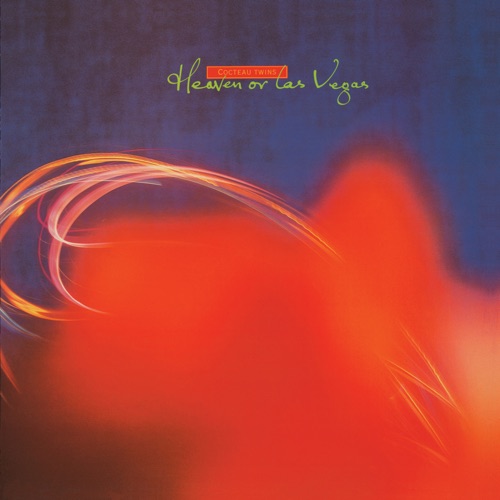
Elizabeth Fraser's wordless, glossolalic vocals floated over Robin Guthrie's shimmering, effects-drenched guitar to create dream pop. Signed to 4AD, the Cocteau Twins influenced shoegaze, ambient and countless indie acts. Heaven or Las Vegas is their most accessible, gorgeous record.
Noise Pop / ShoegazeSince 1983East Kilbride, Scotland
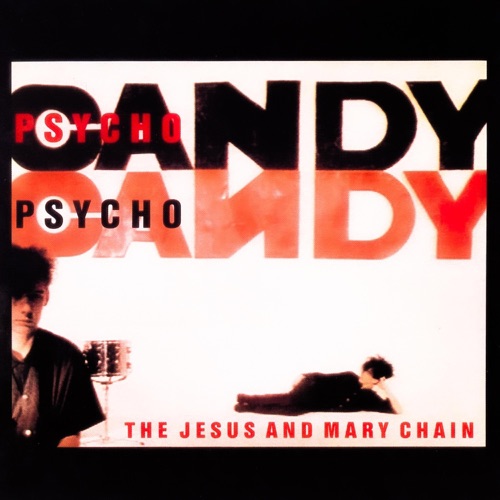
Brothers Jim and William Reid buried sweet Phil Spector-style melodies under walls of feedback on Psychocandy. Their early gigs were short, loud and often ended in riots. Just Like Honey, later used in Lost in Translation, shows the beauty beneath the noise, and they laid the foundations for shoegaze.
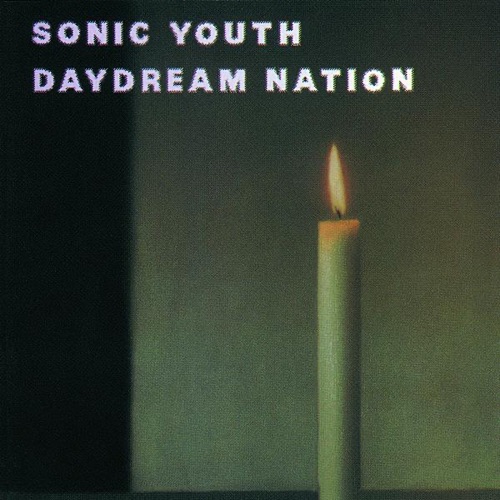
Thurston Moore, Kim Gordon, Lee Ranaldo and Steve Shelley reinvented the guitar with alternate tunings and screwdrivers jammed under the strings. Daydream Nation is a sprawling indie touchstone, and their 1990 major-label leap helped pave the way for Nirvana, whom they encouraged to sign with Geffen.
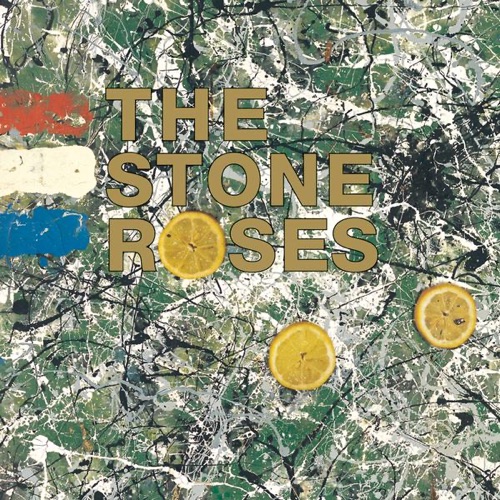
The Stone Roses' 1989 debut fused 60s psychedelia with acid house swagger and became the defining record of the Madchester scene. John Squire's Jackson Pollock-style artwork, Reni's loose-limbed drumming and Ian Brown's attitude made I Wanna Be Adored and Fools Gold anthems that set the stage for Britpop.
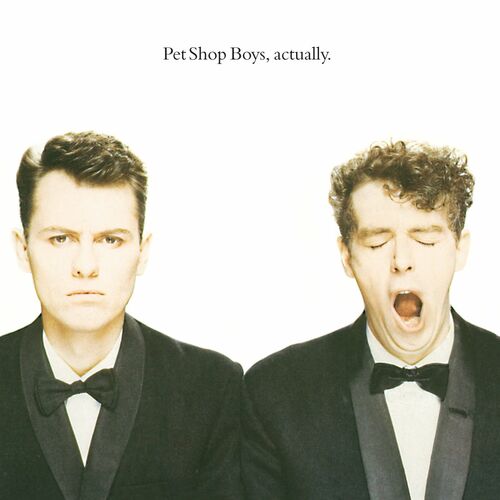
Neil Tennant and Chris Lowe combined sophisticated synth-pop with wit and emotional depth. West End Girls topped charts worldwide, and Actually brought It's a Sin and What Have I Done to Deserve This? with Dusty Springfield. They are among the most successful duos in UK music history.
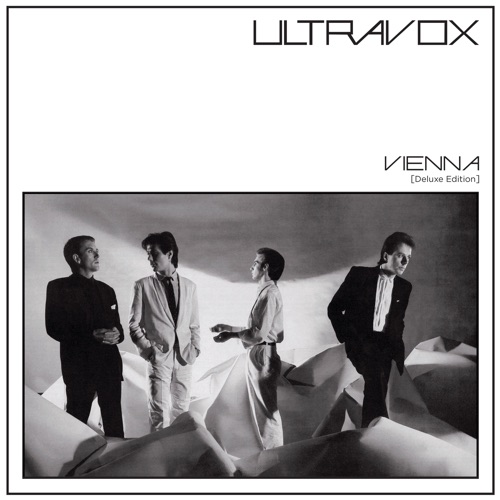
After an early art-punk phase with John Foxx, Ultravox reinvented themselves with Midge Ure. Vienna's title track, with its dramatic piano solo and noir-ish video, became a defining record of the New Romantic era. Their fusion of rock and electronics shaped synth-pop.
Grunge / AlternativeSince 1987Aberdeen, Washington, USA
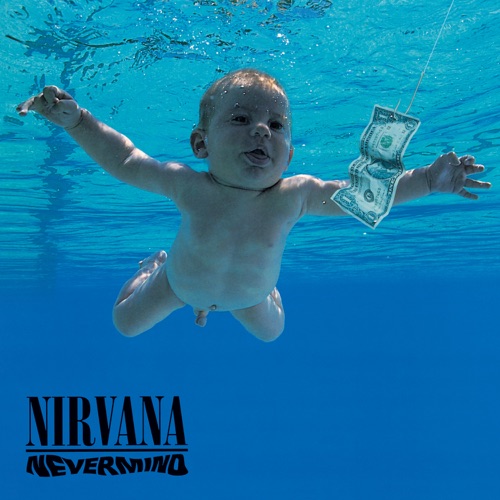
Nirvana took the punk and post-punk underground mainstream. When Smells Like Teen Spirit exploded in late 1991, Nevermind knocked Michael Jackson from number one and alternative rock became the sound of the decade. Kurt Cobain constantly championed the Pixies, the Raincoats, the Vaselines and other underground heroes.
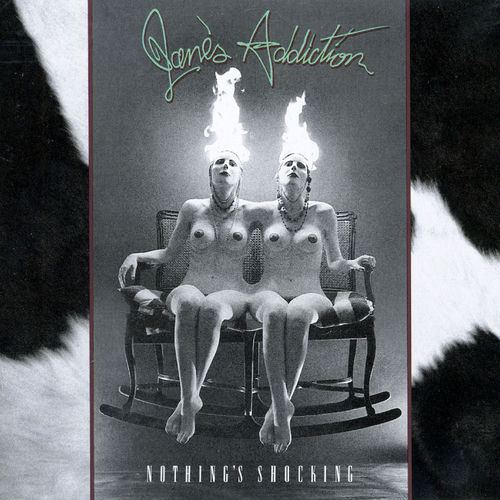
Perry Farrell's yelping vocals and Dave Navarro's psychedelic metal guitar made Jane's Addiction a bridge between 80s underground and 90s alternative. Ritual de lo habitual brought Been Caught Stealing to radio, and Farrell founded Lollapalooza in 1991, creating a touring festival for alternative culture.